














Επιμέλεια: Εύα Λιανού Πετροπούλου
الشرق الأوسط القديم أمام مفترق حاسم: “المواجهة الإقليمية ومستقبل مجهول”
قراءة سياسية واستراتيجية في التحولات الدولية وإعادة تشكيل موازين القوى
بقلمي انا سمو الأمير أحمد علي الصمد الثالث
أمير ورئيس المنزل الملكي الصمد
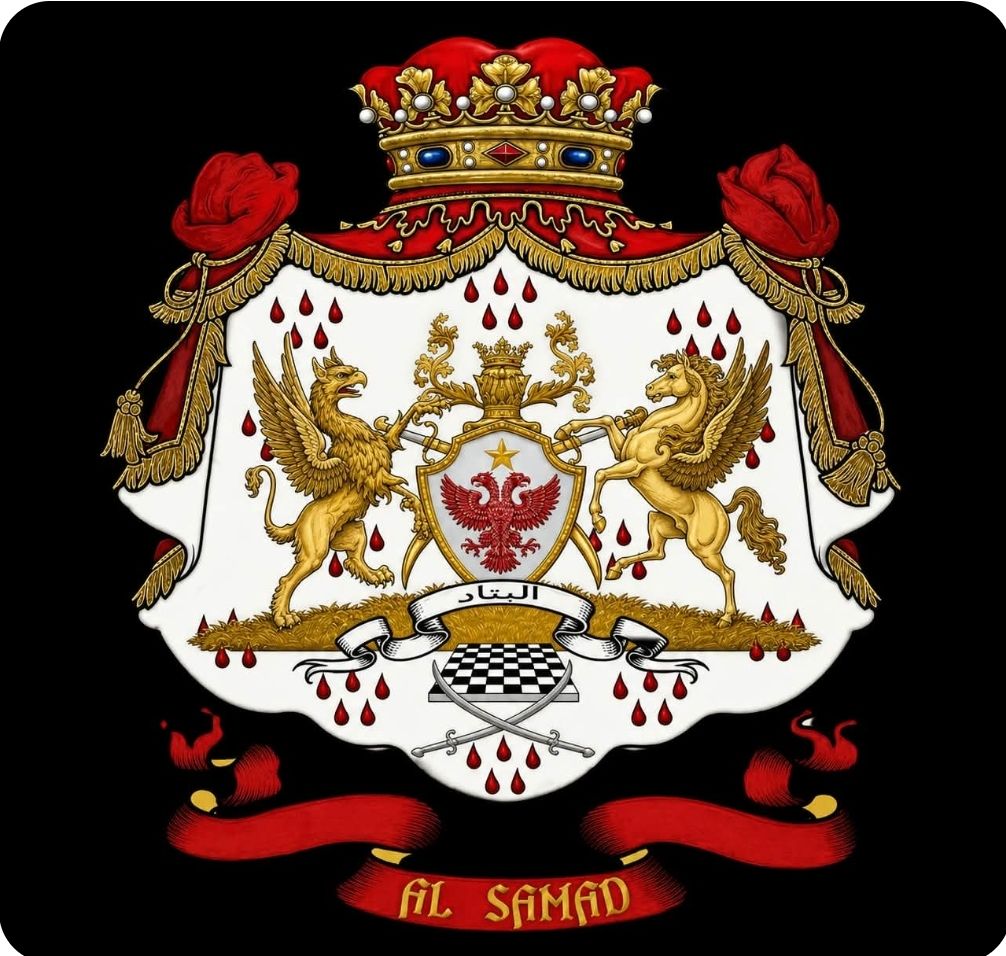
Imperial Royal House Al Samad
مقدمة: العالم أمام مرحلة لا تشبه ما سبقها
لم تعد التطورات الدولية والإقليمية أحداثاً منفصلة يمكن قراءتها كلٌّ على حدة، ولم يعد من الحكمة النظر إلى التوترات القائمة باعتبارها أزمات عابرة ستنتهي بمجرد التوصل إلى تفاهم سياسي أو اتفاق لوقف إطلاق النار.
إن ما نشهده اليوم يوحي بأن العالم يدخل مرحلة شديدة الحساسية، تتداخل فيها المصالح العسكرية والاقتصادية والسياسية والدينية، وتتقاطع فيها ساحات الصراع من الشرق الأوسط إلى أوروبا وشرق آسيا.
النظام الدولي الذي عرفناه خلال العقود الماضية يوشك على الانتهاء، وموازين القوى التقليدية تتعرض لإعادة ترتيب. وقد لا يكون ما يجري إعلاناً عن نظام عالمي جديد فقط بقدر ما هو مسار متدرج لإعادة تشكيل النفوذ والتحالفات ومراكز القرار.
وفي هذا السياق، لا يمكن قراءة المواجهة الأميركية ـ الإيرانية باعتبارها نزاعاً محدوداً بين دولتين؛ فهي ترتبط بمستقبل أمن الخليج، ومكانة إسرائيل، ودور روسيا والصين، ومستقبل الطاقة والتجارة الدولية، فضلاً عن مستقبل الشرق الأوسط نفسه.
اولا : إن المواجهة التي بدأت بين الولايات المتحدة وإسرائيل من جهة وإيران من جهة أخرى، لم تعد مجرد خلاف حول البرنامج النووي أو النفوذ الإقليمي. لقد اتسعت لتشمل بنية القوة الإيرانية، وقدرتها على الردع، وموقعها في المعادلة الإقليمية.
فإيران تنظر إلى أمنها القومي باعتباره مسألة تتجاوز حدودها الجغرافية، وتدرك أن خسارة قدرتها على الردع قد تعني خسارة جزء كبير من نفوذها الإقليمي.
ومن هنا، فإن أي تصعيد جديد لا يمكن فصله عن حسابات بقاء النظام وقدرته على الاستمرار، وعن مستقبل القيادة الإيرانية ومؤسساتها العسكرية والأمنية.
وقد أثبتت التطورات أن استهداف إيران لا يقتصر تأثيره على الأراضي الإيرانية؛ فمضيق هرمز وأمن الملاحة والطاقة والمنشآت الحيوية في الخليج باتت جميعها جزءاً من معادلة الصراع.
إن الخطر الحقيقي لا يكمن فقط في حجم الضربات المتبادلة، بل في احتمال انتقال المواجهة من استهداف القدرات العسكرية إلى تعطيل المصالح الاقتصادية والأمنية لدول المنطقة بأكملها.
ومن الضروري هنا التمييز بين القدرة على إلحاق الضرر، والقدرة على تحقيق انتصار عسكري حاسم. فإيران قد تستطيع فرض تكاليف باهظة على خصومها، لكن ذلك لا يعني أن جميع الدول المستهدفة عاجزة ، أو أن نتائج المواجهة محسومة سلفاً.
ثانياً: إن دول الخليج تجد نفسها أمام معادلة دقيقة؛ فهي ترتبط بعلاقات استراتيجية وأمنية مع الولايات المتحدة، وتستضيف عدداً من المنشآت والقواعد العسكرية الأميركية، لكنها في الوقت نفسه تدرك أن أي مواجهة واسعة مع إيران قد تجعل أراضيها وممراتها البحرية ومنشآتها الحيوية جزءاً من مسرح العمليات.
ومن هذا المنطلق، فإن التهديدات الإيرانية التي تتحدث عن اتساع نطاق الرد لا ينبغي التعامل معها باعتبارها مجرد تصريحات سياسية، ولا ينبغي أيضاً افتراض أنها تعني القدرة على إخضاع جميع دول المنطقة عسكرياً.
فاستهداف قاعدة عسكرية أو منشأة حيوية يختلف تماماً عن احتلال دولة أو السيطرة على أراضيها. وقد تتمكن قوة ما من إحداث اضطراب إقليمي كبير دون أن تكون قادرة على فرض سيطرتها البرية على الدول التي تواجهها.
وتزداد المخاطر إذا تزامن التصعيد مع تحركات من قوى إقليمية أخرى، أو مع اضطراب في الملاحة الدولية، أو مع تدخل أطراف مسلحة غير حكومية في العراق واليمن ولبنان.
إن مضيق هرمز وباب المندب وقناة السويس ليست مجرد ممرات جغرافية؛ إنها شرايين الاقتصاد العالمي. وأي اضطراب طويل فيها قد يتجاوز تأثيره المنطقة ليصل إلى أسواق الطاقة والتجارة والنقل والتأمين في مختلف أنحاء العالم.
ثالثاً: لا يمكن إغفال الدور الذي قد تلعبه القوى المسلحة المرتبطة بإيران أو المتحالفة معها في المنطقة، سواء في العراق أو اليمن أو لبنان.
ففصائل الحشد الشعبي في العراق ليست كتلة واحدة متجانسة، كما أن الحوثيين في اليمن يمتلكون حساباتهم المحلية والسياسية الخاصة، وحزب الله في لبنان له موقع مختلف من حيث البنية والخبرة والجغرافيا والقوة والامتداد السياسي.
إن اتساع المواجهة قد يدفع بعض هذه الأطراف إلى التحرك، لكنه لا يعني بالضرورة أن جميعها ستدخل الحرب في التوقيت نفسه أو وفق قرار موحد.
وهنا تكمن خطورة المشهد: تعدد الأطراف وتباين مصالحها قد يجعل احتواء التصعيد أكثر صعوبة، حتى في غياب قيادة واحدة تدير جميع الجبهات.
أما المملكة العربية السعودية، فتواجه تحديات أمنية محتملة في حال اتسعت المواجهة، خصوصاً في ظل قدرة الحوثيين على استخدام الصواريخ والمسيّرات والضغط على الملاحة في البحر الأحمر. لكن الانتقال من الهجمات العابرة للحدود إلى اجتياح بري واسع مسألة مختلفة تماماً، لها حسابات عسكرية وجغرافية وسياسية معقدة.
رابعاً: روسيا وأوكرانيا وأوروبا: الصراع الذي قد يستفيد من انشغال واشنطن.
إن من الخطأ الاستراتيجي النظر إلى الحرب في الشرق الأوسط بمعزل عن الحرب الروسية الأوكرانية.
فروسيا تراقب التطورات، وتدرك أن انشغال الولايات المتحدة بملفات الشرق الأوسط قد يغيّر أولوياتها العسكرية والسياسية، ويمنح موسكو هامشاً إضافياً للتحرك في أوكرانيا ومحيطها الأوروبي.
اي أن سقوط أوكرانيا أصبح أمراً محسوماً؛ لكن يحتاج القليل من الوقت ،ومن الواضح أن تعدد الأزمات يفرض على الولايات المتحدة توزيع مواردها واهتمامها الاستراتيجي بين أكثر من جبهة.
ولا يعني ذلك أن اندلاع حرب في شرق آسيا أمر حتمي، لكنه يعني أن واشنطن لا تواجه تحدياً استراتيجياً واحداً، وأن التوتر في أكثر من منطقة قد يضاعف صعوبة إدارة الأزمات الدولية.
إن اجتماع هذه الملفات في توقيت واحد لا يثبت وجود خطة موحدة تجمع جميع الأطراف، لكنه يكشف هشاشة التوازن الدولي وضعف في السياسة والانظمة، ويجعل احتمال سوء التقدير والتصعيد المتبادل أمراً يستحق اهتماماً بالغاً.
سادساً:فإن الصراع على هوية الشرق الأوسط ومستقبل النظام الإقليمي ،لا تقتصر المواجهة في الشرق الأوسط على الحسابات العسكرية وحدها؛ فهي تتصل أيضاً بمستقبل العلاقات الإقليمية، وشكل التحالفات، وطبيعة النظام العالمي الجديد والسياسي والاقتصادي الذي قد يتشكل في المنطقة.
لقد شهدت السنوات الأخيرة مساعي لتوسيع التطبيع والتعاون بين “الأزرق” وعدد من الدول العربية، وظهرت مشاريع تتحدث عن التكامل الاقتصادي والأمني والتكنولوجي، وعن ربط الأسواق والممرات التجارية.
وفي المقابل، ترى إيران في كثير من هذه الترتيبات تهديداً لموقعها الإقليمي، خصوصاً إذا تحولت إلى منظومة تعاون أمني واقتصادي تستبعدها أو تحد من نفوذها.
وهنا لا بد من التمييز بين الخطاب السياسي والوقائع المعلنة: لا توجد أدلة كافية للقول إن مشاريع التطبيع والتعاون الإقليمي تستهدف إلغاء الأديان أو دمجها في عقيدة واحدة. لكن من المشروع سياسياً واستراتيجياً دراسة تأثير هذه المشاريع على هوية المنطقة، وعلى استقلال قرارات دولها، وعلى شكل التحالفات التي ستحدد مستقبلها.
السؤال الحقيقي هو: هل يتجه الشرق الأوسط إلى نظام إقليمي قائم على المصالح والتكامل، أم إلى منظومة محاور متنافسة، يرى كل طرف فيها أن صعود الآخر يعني تراجع مكانته؟
سابعاً: في لبنان… المعضلة الأكثر تعقيداً في المشهد الإقليمي
إذا كانت إيران تواجه تحدياً يتعلق بمستقبل نظامها ونفوذها، فإن لبنان يواجه معضلة مختلفة وأكثر تعقيداً من مجرد احتمال اندلاع حرب جديدة.
فحزب الله لا يواجه اليوم ضغطاً عسكرياً إسرائيلياً فحسب، بل يواجه أيضاً ضغوطاً سياسية داخلية تتعلق بسلاحه ودوره ومستقبل موقعه في الدولة اللبنانية.
ومن وجهة نظري، فإن حزب الله ينظر إلى سلاحه باعتباره ركناً أساسياً من أركان دوره العسكري والإقليمي. وإذا تخلّى عنه، فإن طبيعة قوته ستتغير بصورة جذرية، وسينتقل إلى المنافسة السياسية التقليدية التي تعتمد على التأييد الشعبي والانتخابي والتحالفات والتمثيل البرلماني.
وهذا لا يعني أن الحزب سينتهي سياسياً أو اجتماعياً إذا تخلّى عن سلاحه؛ فقد يحتفظ بقاعدة شعبية وتنظيمية واسعة. لكن دوره العسكري وقدرته على التأثير في المعادلات الإقليمية، سيتغيران بصورة جوهرية.
ومن هنا، فإن مسألة السلاح بالنسبة إلى الحزب ليست مجرد مسألة تقنية أو أمنية، بل ترتبط بمستقبله وبطبيعة دوره في لبنان والمنطقة.
وفي المقابل، لا يمكن تجاهل حق الدولة اللبنانية في أن تكون صاحبة القرار السيادي في الحرب والسلم، وأن تكون المؤسسات الشرعية المرجع الأساسي في إدارة الأمن والدفاع.
لكن المعضلة التي أراها أكثر خطورة تكمن في الاعتقاد بأن إنهاء مشكلة السلاح وحده سيؤدي تلقائياً إلى قيام دولة قوية.
فالدولة اللبنانية تعاني من مشكلات عميقة في الإدارة والحوكمة والرقابة والمحاسبة، وفي قدرتها على تقديم الخدمات وحماية حقوق المواطنين وإدارة الموارد العامة.
وقد أظهر التشخيص الذي نشره صندوق النقد الدولي في حزيران 2026 وجود ثغرات مؤسسية واسعة، ومخاطر فساد متجذرة في الاساس، وضعف في الرقابة والإدارة المالية، وتحديات في استقلال القضاء وفعالية مؤسسات مكافحة الفساد.
وهذا يعني أن أزمة لبنان أوسع من وجود حزب أو سلاح؛ إنها أزمة قدرة مؤسساتية وثقة عامة ومسؤولية سياسية.
فماذا يستفيد المواطن إذا انتهت ازدواجية السلاح، بينما بقيت مؤسسات الدولة عاجزة عن تأمين الكهرباء والمياه والعدالة والضمانات الاجتماعية وفرص العمل؟
وماذا تعني السيادة إذا لم تتحول إلى حماية فعلية للمواطن، وإدارة رشيدة للبلاد، ومحاسبة حقيقية لمن يتولى المسؤولية؟
إن الدولة لا تصبح قوية بمجرد امتلاكها السلاح، بل بامتلاكها القدرة على حماية الناس، وتطبيق القانون على الجميع، وإدارة المؤسسات بعيداً عن المحاصصة والمصالح الضيقة.
ولهذا فإن مستقبل لبنان يحتاج إلى اعادة برمجة تبدأ من القاعدة الاصغر وتصل الى الاكبر.
ثامناً: هل نحن أمام إعادة تشكيل للنظام العالمي؟
إن تزامن المواجهة في الشرق الأوسط مع الحرب الروسية الأوكرانية، وتصاعد التوتر في شرق آسيا، والتنافس بين القوى الكبرى على الطاقة والتجارة والممرات البحرية، يفرض علينا قراءة المشهد بمنظور أوسع.
فالصراع لم يعد محصوراً في حدود دولة أو منطقة، بل أصبح مرتبطاً بمستقبل النفوذ الدولي، وبقدرة القوى الكبرى على حماية مصالحها وتوسيع مجالات تأثيرها.
إن الحديث عن نظام عالمي جديد لا ينبغي أن يتحول إلى استنتاج متسرع أو إلى افتراض وجود خطة سرية موحدة؛ لكن المؤشرات السياسية والاقتصادية والعسكرية تدل على أن النظام الدولي يمر بمرحلة إعادة ترتيب وتشكيل حقيقية بدأت من الشرق الاوسط وتتجه الى اوروبا.
وقد تكون المرحلة المقبلة مرحلة انتقالية طويلة، تتسم بتعدد مراكز القوة، وتراجع قدرة طرف واحد على فرض إرادته في جميع المناطق، وتصاعد أهمية التحالفات الإقليمية والاقتصادية.
ومن هنا، فإن الدول التي لا تمتلك رؤية استراتيجية واضحة ولا تحصن مؤسساتها واقتصاداتها، ستكون أكثر عرضة لتداعيات التحولات الكبرى.
تاسعاً: لبنان بين الحسابات الإقليمية ومسؤولية الدولة
إن لبنان ليس مجرد ساحة جغرافية على هامش الصراع، بل بلد تتقاطع فيه مصالح إقليمية ودولية، وتتشابك فيه التوازنات الداخلية مع حسابات القوى الخارجية.
وإذا اتسعت المواجهة بين إيران والولايات المتحدة وإسرائيل، فإن لبنان قد يجد نفسه أمام تحديات عسكرية واقتصادية واجتماعية لا تحتملها بنيته الحالية بسهولة.
فالمعيار الحقيقي يجب أن يكون قدرة البلاد على حماية شعبها، والحفاظ على مؤسساتها، وصون وحدتها الوطنية، ومنع تحويل أراضيها إلى ساحة مفتوحة لتصفية الحسابات الإقليمية.
إن أي تسوية لا تأخذ في الاعتبار واقع المجتمع اللبناني وتوازناته وحقوق مواطنيه، لن تكون تسوية مستقرة. كما أن أي قوة سياسية أو عسكرية لا تضع مصلحة لبنان فوق حساباتها الخاصة، ستساهم في تعميق الأزمة مهما كانت مبرراتها.
الخاتمة: إن ما يجري اليوم يستدعي من أصحاب الرأي والمسؤولية النظر إلى الأحداث بعقل استراتيجي، لا بردود فعل آنية، ولا بانحياز أعمى .
فالعالم أمام مرحلة دقيقة، وقد تتسع المواجهات وتتداخل ساحاتها بصورة تجعل نتائجها أبعد من حسابات الأطراف التي أشعلتها.
فالسياسة ليست مراقبة الأحداث بعد وقوعها، بل فهم مساراتها قبل أن تفرض نتائجها على الشعوب.
والدبلوماسية ليست ضعفاً، بل وسيلة لحماية الأوطان حين تصبح كلفة المواجهة أكبر من قدرة الشعوب على الاحتمال.
سمو الأمير أحمد علي الصمد الثالث
أمير ورئيس المنزل الملكي الصمد

Imperial Royal House Al Samad
The Old Middle East at a Crucial Crossroads: Regional Confrontation and an Uncertain Future
A Political and Strategic Analysis of International Transformations and the Reshaping of the Balance of Power
By His Highness Prince Ahmad Ali Al Samad III
Prince and Head of the Imperial Royal House Al Samad
Introduction: The World Faces an Unprecedented Phase
International and regional developments are no longer isolated events that can be interpreted in isolation. It is no longer wise to view current tensions as fleeting crises that will end with a political understanding or a ceasefire agreement.
What we are witnessing today suggests that the world is entering a highly sensitive phase, one in which military, economic, political, and religious interests intersect, and conflict zones from the Middle East to Europe and East Asia intersect.
The international order we have known for the past decades is nearing its end, and the traditional balance of power is being rearranged. What is happening may not be merely the announcement of a new world order, but rather a gradual process of reshaping influence, alliances, and centers of power. In this context, the US-Iranian confrontation cannot be viewed as a limited conflict between two states; it is linked to the future of Gulf security, Israel’s standing, the roles of Russia and China, the future of energy and international trade, and indeed, the future of the Middle East itself.
First: The confrontation that began between the United States and Israel on one side and Iran on the other is no longer merely a disagreement over the nuclear program or regional influence. It has expanded to encompass the structure of Iranian power, its deterrent capabilities, and its position in the regional equation.
Iran views its national security as a matter that transcends its geographical borders and understands that losing its deterrent capability could mean losing a significant portion of its regional influence.
Therefore, any new escalation cannot be separated from calculations regarding the regime’s survival and its ability to continue, and from the future of the Iranian leadership and its military and security institutions.
Developments have demonstrated that targeting Iran does not only affect Iranian territory; the Strait of Hormuz, maritime security, energy, and vital installations in the Gulf have all become part of the equation of conflict.
The real danger lies not only in the scale of the exchange of strikes, but also in the potential for the confrontation to escalate from targeting military capabilities to disrupting the economic and security interests of the entire region.
It is crucial to distinguish between the ability to inflict damage and the ability to achieve a decisive military victory. Iran may be able to impose heavy costs on its adversaries, but this does not mean that all targeted countries are powerless, or that the outcome of the confrontation is predetermined.
Secondly, the Gulf states find themselves facing a delicate equation. They have strategic and security ties with the United States and host a number of American military installations and bases, but at the same time, they realize that any large-scale confrontation with Iran could make their territories, maritime routes, and vital infrastructure part of the theater of operations.
From this perspective, Iranian threats of a broader response should not be treated as mere political rhetoric, nor should it be assumed that they imply the ability to militarily subdue all the countries in the region.
Targeting a military base or vital facility is entirely different from occupying a country or seizing its territory. A power may be able to create significant regional instability without being able to establish full territorial control over the countries it confronts.
The risks increase if the escalation coincides with actions by other regional powers, disruptions to international shipping, or the intervention of non-state armed groups in Iraq, Yemen, and Lebanon.
The Strait of Hormuz, the Bab el-Mandeb Strait, and the Suez Canal are not merely geographical waterways; they are the arteries of the global economy. Any prolonged disruption to them could have repercussions that extend beyond the region, impacting energy, trade, transportation, and insurance markets worldwide.
Third, the role that armed groups linked to or allied with Iran in the region, whether in Iraq, Yemen, or Lebanon, cannot be overlooked.
The Popular Mobilization Forces in Iraq are not a single, homogenous entity, the Houthis in Yemen have their own distinct local and political agendas, and Hezbollah in Lebanon occupies a different position in terms of structure, experience, geography, power, and political reach. The escalation of the conflict might push some of these parties to act, but it doesn’t necessarily mean they will all enter the war at the same time or according to a unified decision.
Herein lies the danger of the situation: the multiplicity of parties and the divergence of their interests could make containing the escalation more difficult, even in the absence of a single leadership managing all fronts.
As for Saudi Arabia, it faces potential security challenges should the conflict widen, especially given the Houthis’ ability to use missiles and drones and to pressure navigation in the Red Sea. However, the transition from cross-border attacks to a large-scale ground invasion is an entirely different matter, with complex military, geographical, and political considerations.
Fourth: Russia, Ukraine, and Europe: A conflict that could benefit from Washington’s preoccupation.
It would be a strategic mistake to view the war in the Middle East in isolation from the Russian-Ukrainian war.
Russia is monitoring developments and understands that the United States’ preoccupation with Middle Eastern issues could alter its military and political priorities, granting Moscow additional room to maneuver in Ukraine and its European periphery.
In other words, the fall of Ukraine has become a foregone conclusion. But it will take some time, and it is clear that the multiplicity of crises is forcing the United States to distribute its resources and strategic attention across more than one front.
This does not mean that a war in East Asia is inevitable, but it does mean that Washington is not facing a single strategic challenge, and that tensions in multiple regions could significantly complicate the management of international crises.
The convergence of these issues at the same time does not prove the existence of a unified plan encompassing all parties, but it reveals the fragility of the international balance and the weakness of policies and systems, making the possibility of miscalculation and mutual escalation a matter of grave concern.
Sixth: The struggle over the identity of the Middle East and the future of the regional order is not limited to military calculations alone; it is also connected to the future of regional relations, the shape of alliances, and the nature of the new global, political, and economic order that may emerge in the region.
Recent years have witnessed efforts to expand normalization and cooperation between Israel and a number of Arab states, and projects have emerged that speak of economic, security, and technological integration, and of linking markets and trade routes.
In contrast, Iran sees many of these arrangements as a threat to its regional position, especially if they evolve into a security and economic cooperation system that excludes it or limits its influence. Here, it is essential to distinguish between political rhetoric and declared facts: there is insufficient evidence to claim that normalization and regional cooperation projects aim to eliminate religions or merge them into a single ideology. However, it is politically and strategically legitimate to examine the impact of these projects on the region’s identity, the independence of its states’ decisions, and the nature of the alliances that will shape its future.
The real question is: Is the Middle East heading towards a regional system based on interests and integration, or towards a system of competing axes, where each party perceives the rise of the other as a decline in its own standing?
Seventh: In Lebanon… the most complex dilemma in the regional landscape
While Iran faces a challenge concerning the future of its regime and influence, Lebanon faces a different and more complex dilemma than simply the possibility of a new war.
Hezbollah is not only facing Israeli military pressure today, but also internal political pressures related to its weapons, its role, and the future of its position within the Lebanese state.
In my view, Hezbollah considers its weapons a fundamental pillar of its military and regional role. If he abandons it, the nature of his power will change radically, and he will move to traditional political competition that depends on popular and electoral support, alliances, and parliamentary representation.
What benefit does the citizen derive from the end of the duality of armed groups, while state institutions remain incapable of providing electricity, water, justice, social security, and job opportunities?
What does sovereignty mean if it does not translate into genuine protection for the citizen, sound governance, and real accountability for those in positions of responsibility?
A state does not become strong simply by possessing weapons, but by possessing the capacity to protect its people, apply the law equally to all, and manage its institutions free from sectarian quotas and narrow interests.
Therefore, Lebanon’s future requires a fundamental restructuring that begins at the grassroots level and extends to the highest levels.
Eighth: Are we witnessing a reshaping of the global order?
The convergence of the confrontation in the Middle East with the Russian-Ukrainian war, the escalating tensions in East Asia, and the competition among major powers for energy, trade, and maritime routes necessitates a broader perspective on the situation. The conflict is no longer confined to the borders of a single state or region, but has become linked to the future of international influence and the ability of major powers to protect their interests and expand their spheres of influence.
Talk of a new world order should not lead to hasty conclusions or the assumption of a unified, secret plan; however, political, economic, and military indicators suggest that the international system is undergoing a genuine restructuring and reshaping process that began in the Middle East and is now extending to Europe.
The next phase may be a long transitional period, characterized by multiple centers of power, a decline in the ability of any single party to impose its will across all regions, and the increasing importance of regional and economic alliances.
Therefore, countries that lack a clear strategic vision and fail to fortify their institutions and economies will be more vulnerable to the repercussions of major transformations.
Ninth: Lebanon Between Regional Calculations and State Responsibility
Lebanon is not merely a geographical arena on the margins of conflict, but a country where regional and international interests intersect, and where internal balances are intertwined with the calculations of external powers.
If the confrontation between Iran, the United States, and Israel escalates, Lebanon may find itself facing military, economic, and social challenges that its current structure cannot easily withstand.
The true measure must be the country’s ability to protect its people, preserve its institutions, safeguard its national unity, and prevent its territory from becoming an open arena for settling regional scores.
Any settlement that does not take into account the realities of Lebanese society, its delicate balances, and the rights of its citizens will not be a stable one. Furthermore, any political or military power that does not prioritize Lebanon’s interests above its own calculations will contribute to deepening the crisis, regardless of its justifications.
Conclusion: What is happening today requires those with influence and responsibility to view events with a strategic mindset, not with knee-jerk reactions or blind bias.
The world is facing a critical juncture, and confrontations may escalate and their arenas overlap in ways that extend far beyond the calculations of the parties that ignited them.
Politics is not about observing events after they occur, but about understanding their trajectories before their consequences are imposed on nations.
Diplomacy is not weakness, but a means of protecting homelands when the cost of confrontation becomes greater than the capacity of the people to endure.
His Royal Highness Prince Ahmad Ali Al Samad III
Prince and Head of the Imperial Royal House Al Samad