












Επιμέλεια: Εύα Λιανού Πετροπούλου
العنوان: ( الشرق القديم في مواجهةتحديات الشرق الجديد ومواجهة حاسمة تلوح في الأفق)
اقتربت الحرب الشاملة؟
الشرق الأوسط يقف اليوم أمام واحدة من أكثر مراحله حساسية وخطورة. المشهد لم يعد محصوراً في أزمة واحدة، بل أصبح شبكة مترابطة من الملفات السياسية والعسكرية والاقتصادية، وأي شرارة في إحدى ساحاته قد تشعل ساحات أخرى.
في لبنان، يبدو أن ملف سلاح حزب الله وصل إلى مرحلة شديدة الخطورة. إسرائيل تريد إزالة السلاح خارج إطار الدولة وحصره بيد المؤسسات اللبنانية، فيما تبدو الدولة اللبنانية غير قادرة على فرض هذا الأمر بالقوة، بينما يؤكد الأمين العام لحزب الله نعيم قاسم أن الحزب لن يتنازل عن سلاحه تحت أي ظرف.
وهنا تبرز نقطة أراها شديدة الأهمية:
خطاب حزب الله لا يبدو مجرد رفض سياسي، بل قد يكون مؤشراً إلى أن الحزب يحتفظ بخيارات وخطة لم يكشف عن تفاصيلها بعد، وربما أن هذه الحسابات مرتبطة بصورة مباشرة أو غير مباشرة بالحسابات الإيرانية الأوسع.
فإيران ما زالت تعتبر لبنان وحزب الله من الملفات المهمة في أي تفاوض أو تسوية مقبلة، ولذلك من الصعب قراءة الموقف اللبناني بمعزل عن المواجهة الأكبر بين طهران وواشنطن.
والأخطر أن أي مواجهة لبنانية واسعة قد لا تبقى داخل لبنان.
سوريا أصبحت الحلقة الأكثر حساسية في هذه المعادلة.
فالاتصالات السورية–الإسرائيلية الأخيرة، ومنها اللقاءات بين مسؤولين سوريين وإسرائيليين، تؤكد أن دمشق أصبحت جزءاً أساسياً من الحسابات الإقليمية الجديدة، وإن كانت التفاصيل المتداولة حول وجود صفقة شاملة بين الطرفين أو ضمان بقاء الرئيس أحمد الشرع في منصبه مقابل تنفيذ مطالب معينة لا تزال غير مؤكدة.
لكن ما يزيد المشهد خطورة هو ما تردد عن رسائل إيرانية وتحذيرات وصلت إلى دمشق، مفادها أن أي تدخل سوري عسكري داخل لبنان ضد حزب الله قد يؤدي إلى فتح جبهة داخل الأراضي السورية نفسها.
كما ظهرت تقارير عن رسائل من فصائل عراقية موالية لإيران تحذر دمشق من أن دخولها في مواجهة مع حزب الله قد يؤدي إلى دخول تلك الفصائل إلى الأراضي السورية.
وتحدثت تقارير كذلك عن تهديدات إيرانية باستهداف أهداف استراتيجية داخل سوريا، ووصلت بعض الروايات إلى الحديث عن دمشق والقصر الرئاسي.
لكن هذه المعلومات الأخيرة يجب التعامل معها باعتبارها تقارير وتحذيرات منسوبة، وليست إعلاناً إيرانياً رسمياً مؤكداً.
وهنا تصبح المعادلة أخطر:
لبنان قد يكون الشرارة، لكن سوريا قد تكون ساحة الانفجار الأكبر.
فإذا تدخلت دمشق عسكرياً في لبنان، فقد تتحرك فصائل عراقية داخل سوريا، وقد تصبح الحدود السورية–العراقية جبهة جديدة، بينما تستطيع إيران استخدام قدراتها الصاروخية للضغط على دمشق، وفي المقابل ستجد إسرائيل نفسها أمام جبهة أوسع وأكثر تعقيداً.
وفي الجنوب اللبناني، تبقى المناطق الحدودية ونقاط التماس، ومن بينها تلة علي الطاهر، من الأماكن التي يمكن أن تتحول إلى نقاط مواجهة شديدة إذا انهارت التفاهمات السياسية والأمنية.
أما إيران والولايات المتحدة، فهما في قلب المشهد.
واشنطن ترى في إيران خطراً استراتيجياً، خصوصاً فيما يتعلق بالبرنامج النووي والصواريخ والنفوذ الإقليمي، ولا تريد أن تصل طهران إلى مرحلة امتلاك قدرة نووية عسكرية.
ولهذا لا يمكن قراءة التحركات العسكرية الأمريكية باعتبارها رسائل سياسية فقط.
فقد وصلت حاملة الطائرات الأمريكية USS George Washington إلى بحر العرب ضمن الانتشار الأمريكي في المنطقة، في وقت تستمر فيه واشنطن في تعزيز قدراتها العسكرية والاستعداد لسيناريوهات مختلفة.
لكن هناك معركة أخرى بدأت تظهر بوضوح:
اقتصاد الحرب.
إيران أثبتت أن استخدام المسيّرات منخفضة التكلفة يمكن أن يفرض على الخصم معادلة اقتصادية صعبة؛ فمن غير المنطقي أن تستخدم الولايات المتحدة صاروخاً اعتراضياً باهظ الثمن لإسقاط طائرة مسيّرة رخيصة.
ولهذا بدأت الولايات المتحدة وصناعة الدفاع الأمريكية العمل على تطوير صواريخ اعتراض منخفضة التكلفة للتعامل مع أسراب المسيّرات، بالتوازي مع زيادة إنتاج صواريخ وأنظمة الاعتراض مثل Patriot وTHAAD، بعد الضغط الذي تعرضت له المخزونات الأمريكية.
وهنا يظهر سؤال بالغ الأهمية:
هل تستطيع دولة أن تربح حرباً عسكرياً وتخسرها اقتصادياً؟
إيران تحاول رفع تكلفة المواجهة على الولايات المتحدة، والولايات المتحدة تحاول في المقابل تخفيض تكلفة اعتراض الهجمات وإطالة قدرتها على الاستمرار.
وفي المقابل، فإن المفاوضات بين واشنطن وطهران لم تصل حتى الآن إلى التسوية التي تمنع التصعيد بشكل نهائي، بينما تحاول دول مثل قطر وباكستان لعب دور في الوساطة وخفض التصعيد.
ويبقى مضيق هرمز أحد أخطر الأوراق؛ لأنه لا يمثل مجرد ممر بحري، بل ورقة قادرة على التأثير في أسواق الطاقة والاقتصاد العالمي بأكمله.
كما أن إيران سبق أن وجهت تحذيرات لدول الخليج من أن الحرب الشاملة، إذا وقعت، لن تبقى محصورة في الأراضي الإيرانية، وهو ما يجعل الخليج جزءاً أساسياً من الحسابات العسكرية والسياسية.
أما العراق، فيبقى ساحة شديدة الحساسية؛ فهو يقع بين إيران والولايات المتحدة، وتوجد فيه قوى وفصائل قادرة على التأثير في مسار أي حرب إقليمية، ولذلك يصعب تصور مواجهة كبرى من دون أن يكون العراق إحدى ساحاتها أو نقاط ضغطها.
وفي الوقت نفسه، تدخل تركيا بصورة متزايدة في المعادلة السورية والإقليمية، مع تصاعد الخلافات بينها وبين إسرائيل حول مستقبل سوريا والنفوذ العسكري فيها. وإذا ارتفعت حدة المواجهة، فقد تصبح تركيا لاعباً لا يمكن تجاهله في أي ترتيبات جديدة للمنطقة.
ولا يتوقف المشهد عند الشرق الأوسط.
فالحرب الروسية–الأوكرانية ما زالت مستمرة، والتنافس بين روسيا والصين والولايات المتحدة أصبح جزءاً من الصراع العالمي الأوسع، بينما يبقى الدعم الروسي والصيني لإيران، بمستويات وأشكال مختلفة، عاملاً يراقبه الجميع بسبب تأثيره على ميزان القوى.
وفي شرق آسيا، تستمر كوريا الشمالية في رفع سقف تهديداتها تجاه اليابان، فيما تتزايد المخاوف من أن تتحول عدة أزمات إقليمية
The Old East Facing the Challenges of the New East and a Decisive Confrontation Looming on the Horizon
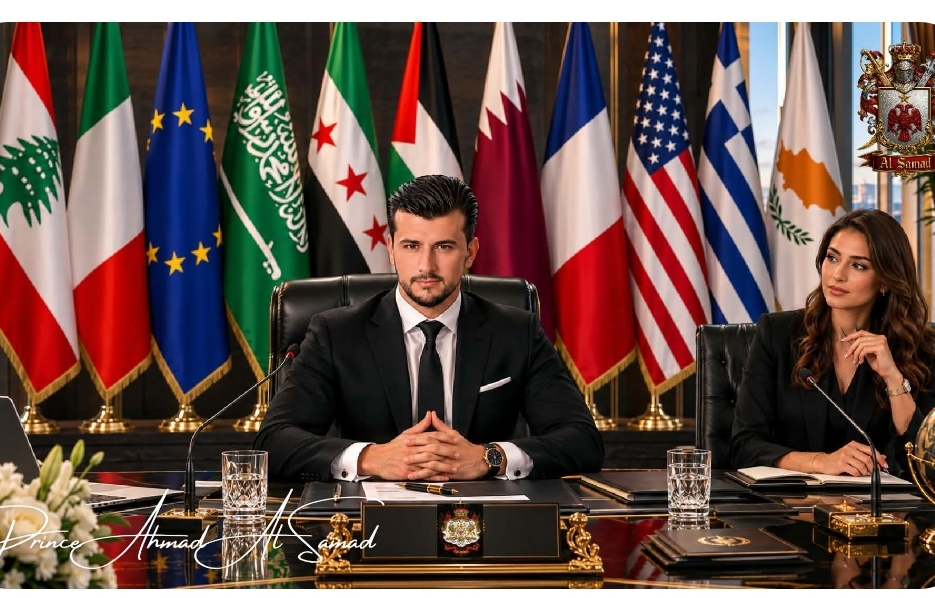
By me, His Highness Prince Ahmad Ali Al Samad III, Prince and Head of the Royal House of “Al Samad”, currently residing in the State of Lebanon
Is all-out war imminent?
The Middle East is currently facing one of its most sensitive and dangerous phases. The situation is no longer confined to a single crisis, but has become an interconnected web of political, military, and economic issues, where any spark in one arena could ignite others.
In Lebanon, the issue of Hezbollah’s weapons appears to have reached a critical juncture. Israel seeks to remove all weapons outside the control of the state and confine them to Lebanese institutions. However, the Lebanese state seems incapable of enforcing this by force, while Hezbollah Secretary-General Naim Qassem insists that the party will not relinquish its weapons under any circumstances.
Herein lies a point I consider extremely important: Hezbollah’s rhetoric doesn’t appear to be merely a political rejection. Rather, it may indicate that the party possesses options and a plan whose details it has yet to reveal. These calculations are perhaps directly or indirectly linked to broader Iranian considerations.
Iran still considers Lebanon and Hezbollah crucial issues in any future negotiations or settlements. Therefore, it’s difficult to interpret the Lebanese position in isolation from the larger confrontation between Tehran and Washington.
Even more dangerous is the possibility that any widespread Lebanese confrontation might not remain confined within Lebanon’s borders.
Syria has become the most sensitive link in this equation.
Recent Syrian-Israeli contacts, including meetings between Syrian and Israeli officials, confirm that Damascus has become an essential part of the new regional calculations, even though the details circulating about a comprehensive deal between the two sides or a guarantee of President Ahmed al-Sharaa remaining in office in exchange for fulfilling certain demands remain unconfirmed. But what makes the situation even more dangerous are the reports of Iranian messages and warnings reaching Damascus, indicating that any Syrian military intervention inside Lebanon against Hezbollah could lead to the opening of a front within Syrian territory itself.
Reports have also emerged of messages from Iraqi factions loyal to Iran warning Damascus that engaging in a confrontation with Hezbollah could lead to these factions entering Syrian territory.
Reports also spoke of Iranian threats to target strategic locations inside Syria, with some accounts even mentioning Damascus and the presidential palace.
However, this latter information should be treated as reports and warnings, not as a confirmed official Iranian announcement.
Here, the equation becomes more dangerous:
Lebanon may be the spark, but Syria could be the arena of the larger explosion.
If Damascus intervenes militarily in Lebanon, Iraqi factions may move into Syria, and the Syrian-Iraqi border could become a new front. Meanwhile, Iran could use its missile capabilities to pressure Damascus, and Israel, in turn, would find itself facing a wider and more complex front.
In southern Lebanon, the border areas and points of contact, including the Ali al-Taher hill, remain places that could become flashpoints if the political and security understandings collapse.
As for Iran and the United States, they are at the heart of the matter.
Washington views Iran as a strategic threat, particularly concerning its nuclear program, missiles, and regional influence, and does not want Tehran to reach the point of possessing a military nuclear capability.
Therefore, American military movements cannot be interpreted as mere political messages.
The USS George Washington aircraft carrier has arrived in the Arabian Sea as part of the American deployment in the region, at a time when Washington continues to bolster its military capabilities and prepare for various scenarios.
But another battle is beginning to emerge clearly:
The economics of war.
Iran has demonstrated that the use of low-cost drones can impose a difficult economic equation on the adversary; it is illogical for the United States to use an expensive interceptor missile to shoot down a cheap drone.
This is why the United States and the American defense industry have begun working on developing low-cost interceptor missiles to counter swarms of drones, in parallel with increasing the production of interceptor missiles and systems such as Patriot and THAAD, following the strain on American stockpiles.
Herein lies a crucial question:
Can a country win a war militarily but lose it economically?
Iran is attempting to raise the cost of confrontation for the United States, while the United States, in turn, is trying to reduce the cost of intercepting attacks and prolong its ability to sustain operations.
Meanwhile, negotiations between Washington and Tehran have not yet reached a settlement that would definitively prevent escalation, while countries like Qatar and Pakistan are attempting to play a mediating role and de-escalate tensions.
The Strait of Hormuz remains one of the most dangerous cards, as it is not merely a maritime passage, but a card capable of influencing energy markets and the entire global economy.
Iran has also previously warned the Gulf states that a full-scale war, should it occur, would not remain confined to Iranian territory, making the Gulf a fundamental part of military and political calculations.
As for Iraq, it remains a highly sensitive arena; it lies between Iran and the United States, and there are forces and factions within it capable of influencing the course of any regional war. Therefore, it is difficult to imagine a major confrontation without Iraq being one of its battlegrounds or points of leverage. Meanwhile, Turkey is increasingly involved in the Syrian and regional equation, with escalating disputes with Israel over Syria’s future and military influence there. If the confrontation intensifies, Turkey could become an indispensable player in any new regional arrangements.
The situation extends beyond the Middle East.
The Russian-Ukrainian war continues, and the rivalry between Russia, China, and the United States has become part of a broader global conflict. Russian and Chinese support for Iran, at varying levels and in different forms, remains a closely watched factor due to its impact on the balance of power.
In East Asia, North Korea continues to escalate its threats against Japan, while concerns grow that several regional crises could escalate into a wider conflict.
S.A.R HRH Prince Ahmad Ali Al Samad
Prince and head of the royal house Al Samad by name and arm