









Επιμέλεια: Εύα Πετροπούλου Λιανού
NGỤC TÙ TRONG ĐÔI MẮT EM
Đồng tác giả: Lan Anh (Aschaffenburg, Germany) & (Nhà báo Huy Thắng, Berlin, Germany)
Bản quyền: Trần Thị Lan Anh & Nhà báo Huy Thắng
Lan Anh xin trân trọng giới thiệu đến mọi người bài thơ “Ngục Tù Trong Đôi Mắt Em”, được sáng tác theo thể thơ lục bát cổ truyền của Việt Nam. Đây là thể thơ gồm những cặp câu 6 chữ và 8 chữ, trong đó cách gieo vần được liên kết khéo léo giữa các dòng, tạo nên sự liền mạch và hài hòa về âm điệu. Nhờ nhịp điệu mềm mại, giàu tính nhạc và dễ đi vào lòng người, thể thơ lục bát đã trở thành một trong những hình thức thơ ca quen thuộc và được yêu mến nhất trong văn học Việt Nam, gắn bó sâu sắc với đời sống và tâm hồn người Việt.
Bài thơ “Ngục Tù Trong Đôi Mắt Em”, hiện đang được một nhạc sỹ và đạo diễn phim nổi tiếng việt nam chuyển thành nhạc nền xuyên suốt một phim nói về cuộc sống của người Việt Nam tại nước ngoài dự kiến ra mắt khán giản vào tháng 5. 2027
Bài thơ:
Gặp em một sáng mùa xuân,
Tôi như bị bắt giam cầm trong lao.
Tường hào nào có sâu cao,
Chỉ đôi mắt biếc em rào kín tôi.
Yêu em yêu quá mất rồi,
Tôi nguyện là kẻ được ngồi xà lim.
Ngục tù là trái tim em,
Trái tim kiêu hãnh đã kìm được tôi.
Chỉ đôi mắt ấy huyền đen,
Rào tôi cột chặt với em suốt đời.
Yêu em yêu quá mất rồi,
Chỉ đôi mắt ấy suốt đời giam tôi.
Lời tác giả:
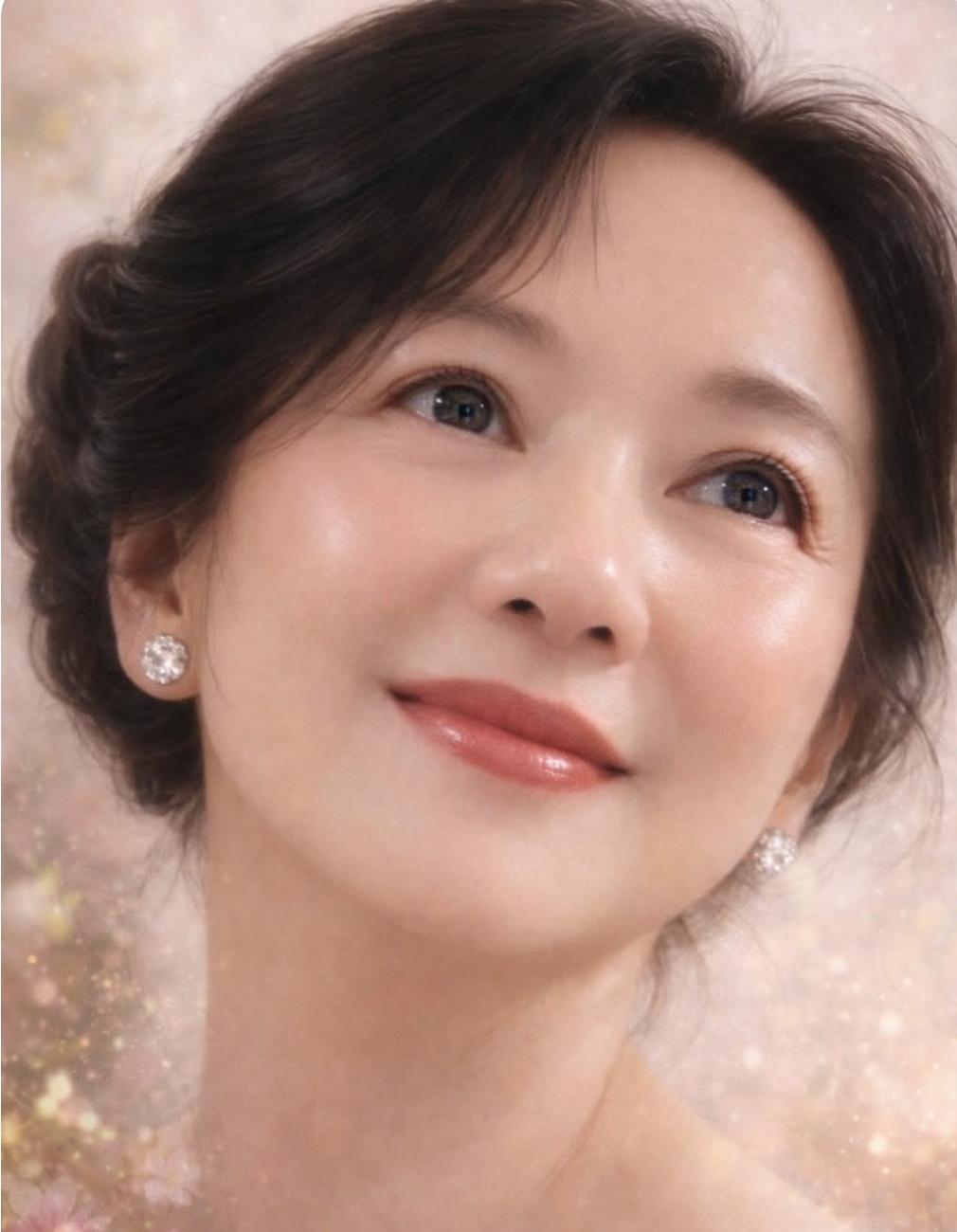
Bài thơ “Ngục tù là đôi mắt em” được viết như một cách bộc lộ cảm xúc trước những ràng buộc vô hình trong tình yêu và đời sống. Hình ảnh “ngục tù” không chỉ mang ý nghĩa giam hãm, mà còn gợi lên sự ám ảnh, cuốn hút từ ánh mắt của “em” — nơi vừa chứa đựng sự dịu dàng, vừa là điểm khiến “tôi” không thể thoát ra. Qua bài thơ, tác giả muốn gửi gắm suy nghĩ rằng có những “giam cầm” không đến từ xiềng xích vật chất, mà đến từ cảm xúc, ký ức và sự gắn bó sâu sắc giữa con người với nhau.
PRISON WITHIN YOUR EYES
Co-authors: Lan Anh (Aschaffenburg, Germany) & Journalist Huy Thắng (Berlin, Germany)
Copyright: Trần Thị Lan Anh & Journalist Huy Thắng
Lan Anh respectfully introduces the poem “Prison Within Your Eyes”, composed in the traditional Vietnamese lục bát form. This poetic structure consists of alternating lines of six and eight syllables, with an interwoven rhyme scheme that links each line seamlessly, creating harmony and continuity in rhythm and sound. With its gentle cadence, musical quality, and natural accessibility, the lục bát form has become one of the most familiar and beloved poetic traditions in Vietnamese literature, deeply connected to the daily life and spirit of the Vietnamese people.
The poem “Prison Within Your Eyes” is currently being adapted by a renowned Vietnamese composer and film director into an original soundtrack for a film about the lives of Vietnamese people living abroad, scheduled for release to audiences in May 2027.
The Poem
I met you on a springtime day,
And felt my freedom swept away.
No fortress walls rose high and wide,
Yet in your eyes, I cannot hide.
I love you more than I can say,
And choose this cell where I must stay.
Your heart becomes my prison’s frame,
Its proud embrace has tamed my flame.
Those dark, deep eyes that softly gleam
Have bound my soul within their scheme.
I love you more than words can show,
Within your eyes, forever I’ll go.
Author’s Note
The poem “Prison Within Your Eyes” is written as an expression of emotions toward the invisible bonds found in love and in life. The image of “prison” does not merely suggest confinement, but also evokes the haunting and captivating power of “your” gaze — a place that holds tenderness while also becoming the force that the speaker cannot escape. Through this poem, the authors convey the idea that some forms of “imprisonment” do not come from physical chains, but from emotions, memories, and the profound connections shared between human beings.