




Lan Xin (Lan Xin)
World Memory Heritage The Only Female Inheritor of Dongba Culture, International Renowned Writer & Poet
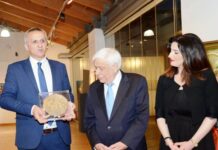
Eva Lianou Petropoulou
Αποκλειστικη Eκπροσωπος για την Ελλάδα για την προώθηση της πολιτιστικής κληρονομιάς
Dongba Culture Κίνα
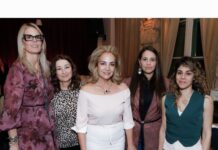
Michael Goniotakis
Media partner polismagazino.gr
Αποκλειστικός εκπρόσωπος τύπου για την προώθηση της πολιτιστικής κληρονομιάς
Dongba Culture China
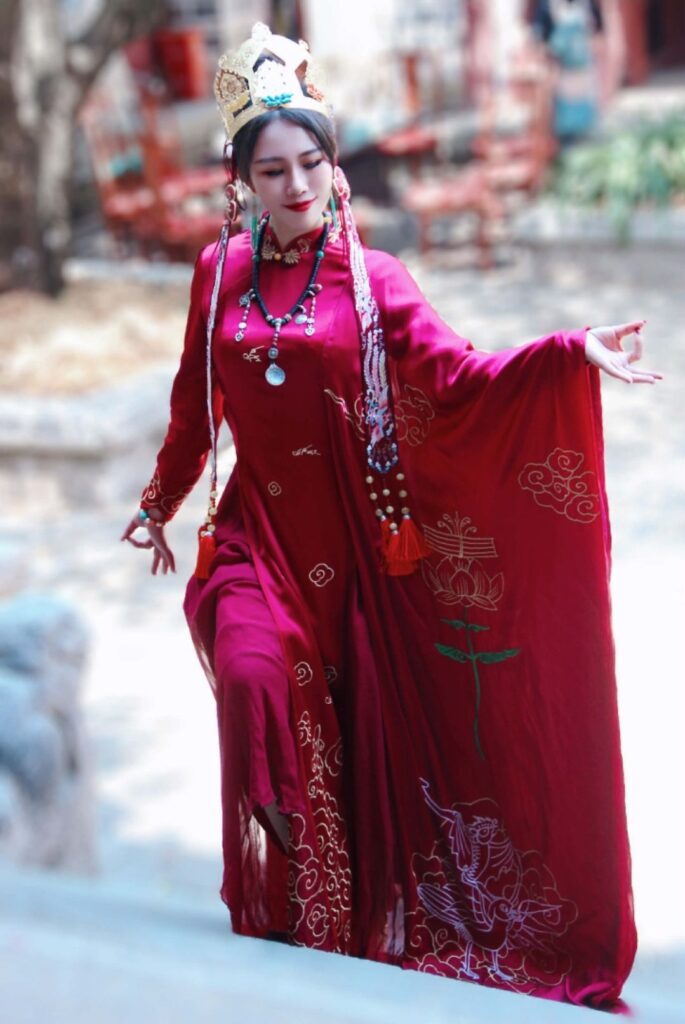
Lan Xin (Lan Xin): Internationally renowned Chinese writer and poet, The Only Female Inheritor of World Memory Heritage Dongba Culture, Dean of China Yulong Wenbi Dongba Culture Academy.
This article is an exclusive first publication authorized by Lan Xin, the internationally renowned Chinese writer, for the Greek magazine Polis. It serves as the inaugural piece of the column “Lan Xin Deciphers Dongba Culture”.
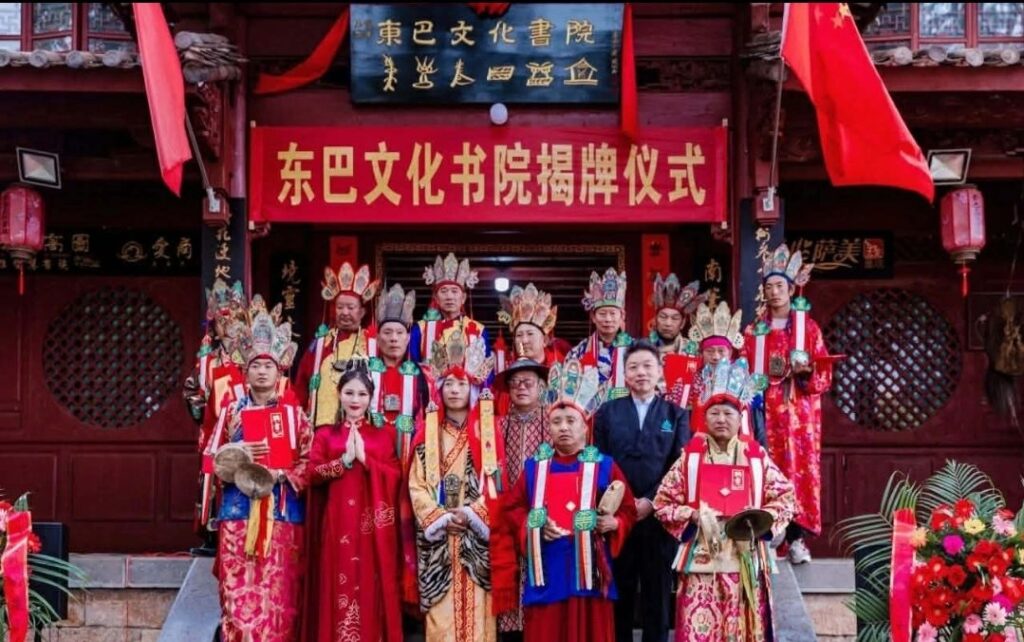
As a World Memory Heritage recognized by UNESCO, Dongba Culture is a millennium-old treasure nurtured by the Naxi people of China, and the only existing living hieroglyphic culture in the world. This ancient civilization encompasses a rich array of forms, including Dongba hieroglyphs, Dongba scriptures, Dongba rituals, Dongba paintings, Dongba dances, and Dongba divination. With a complete cultural system, it carries the profound insights of the ancient Naxi ancestors into the universe, nature, and life, thriving perpetually on the land where Yunnan, Sichuan, and Tibet meet.
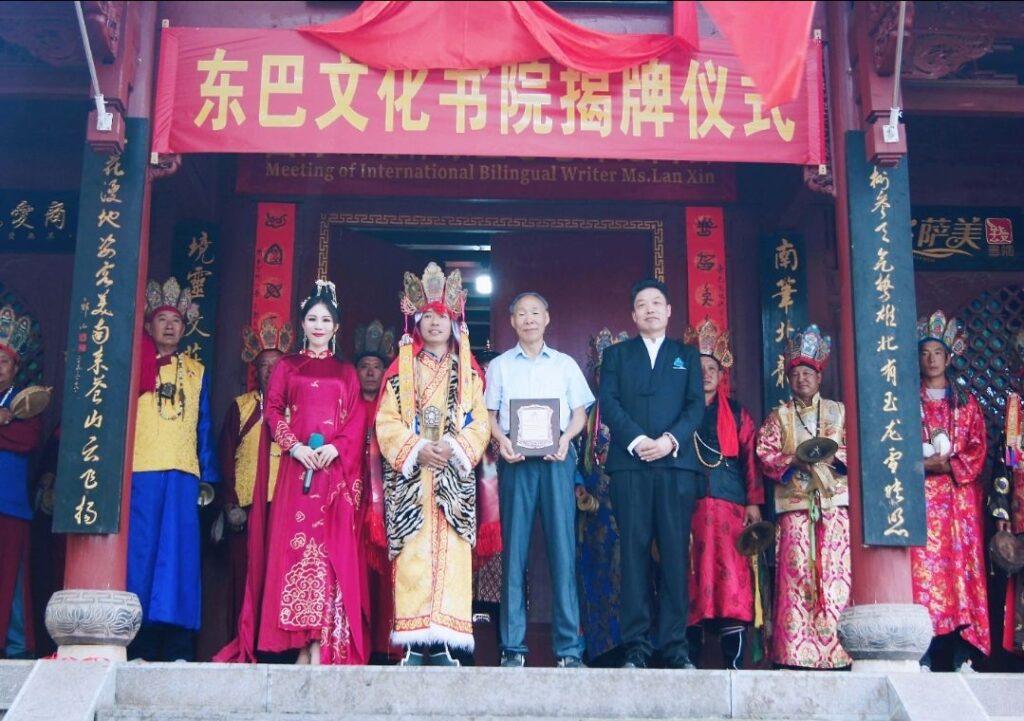
Dongba Culture derives its name from the “Dongba”, the clergy of the Naxi people who are its core inheritors. This precious culture has been passed down through generations within Dongba families, accumulating over thousands of years. Thanks to the Dongbas recording scriptures in hieroglyphs and imparting knowledge orally and through heart-to-heart teaching during sacred rituals, it has been preserved intact and handed down from generation to generation.
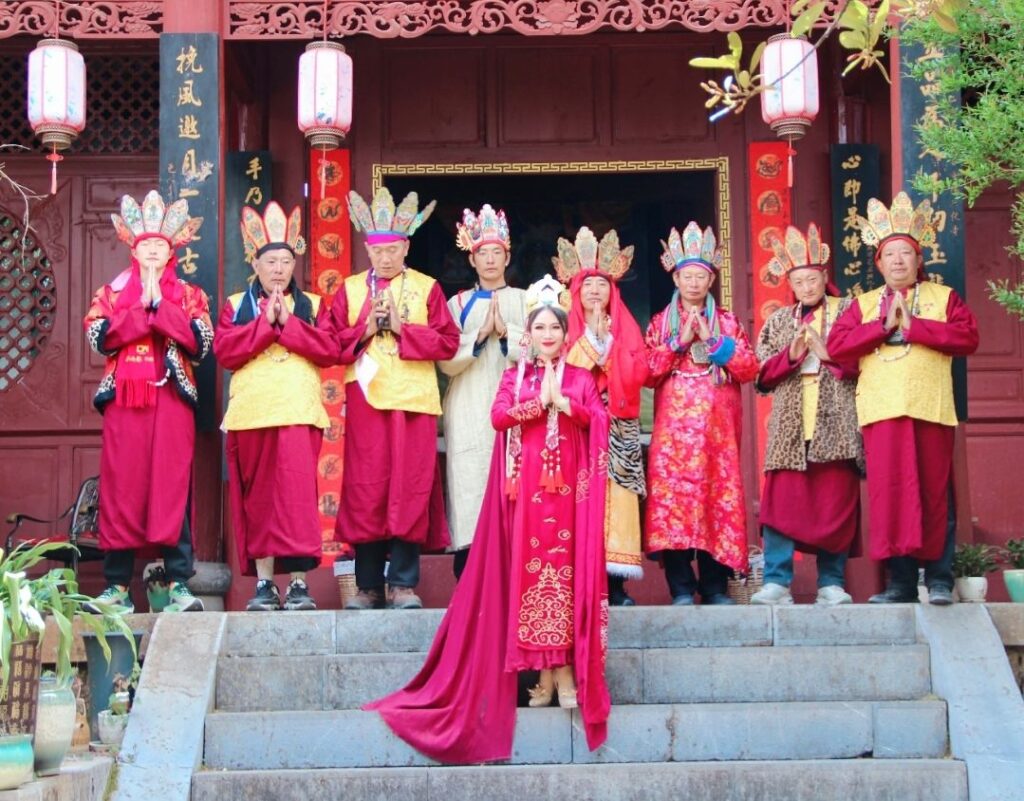
Translated as “Wise Ones”, the Dongbas are the most senior intellectuals in Naxi society, excelling in singing, dancing, scripture recitation, calligraphy, history, painting, and medicine. Regarded as the medium connecting heaven and earth, they shoulder a sacred mission. In every solemn ritual, they convey the great love of humanity and profound humanistic care. Moreover, they are high-spiritual beings who embody the harmonious coexistence of humans and nature, capable of discerning the mysteries of natural operations and celestial movements, and comprehending the way of harmonious cohabitation between humans and all living things. Carrying the mysterious cosmic codes from ancient times, they pass down wisdom that borders on truth from generation to generation. Although the Dongba scriptures have been “confidentially transmitted” for centuries, they subtly influence people’s souls and perceptions with their universal values.
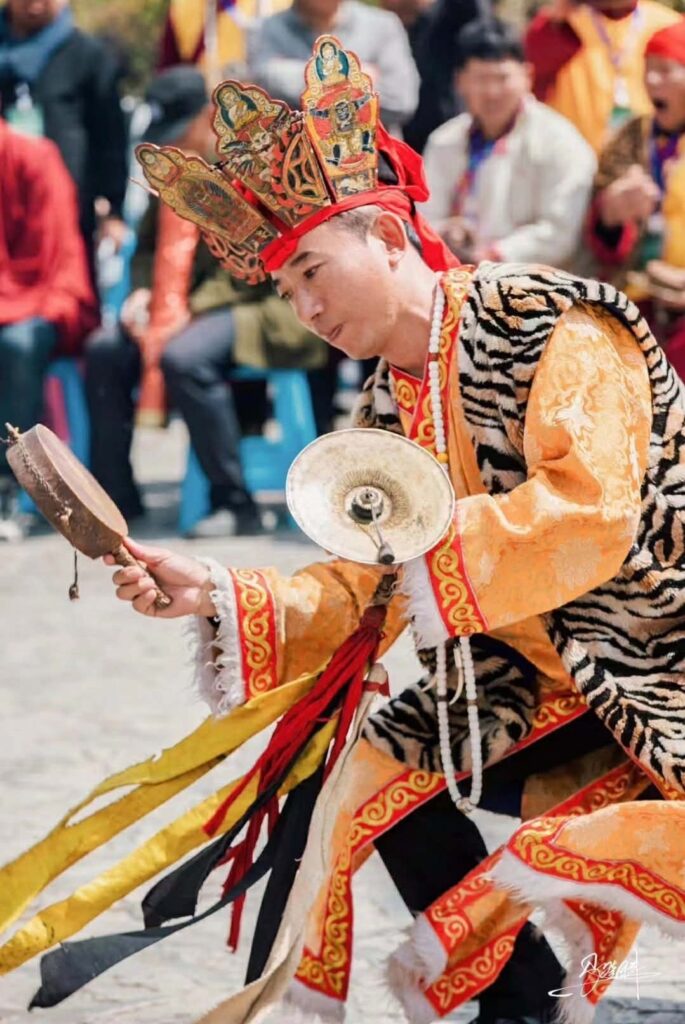
The ancient and mysterious Dongba Culture originated in Shangri-La, China—the pure land depicted in my poem Earthly Paradise–Shangri-La. It is not a scattered collection of cultural fragments, but a comprehensive system covering multiple dimensions such as belief, writing, art, ritual, and ethics, with the core tenet of “all things have spirits, respect heaven and love people”.
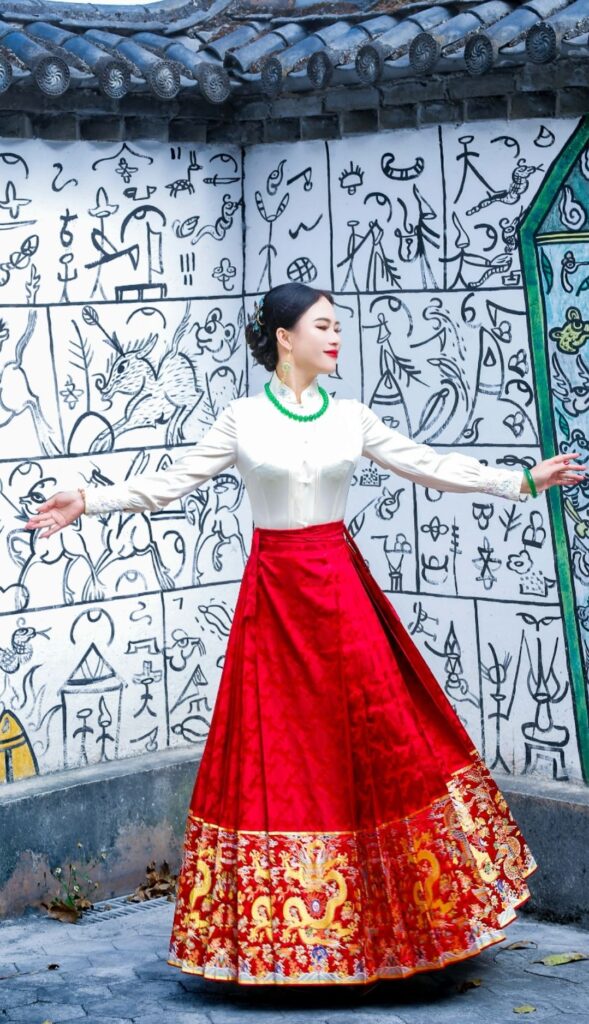
In terms of belief, Dongba Culture upholds the concept of “animism”, holding that mountains, rivers, birds, beasts, plants, and trees all possess spirits. Creatures like horses, frogs, and snakes each have their sacred missions, forming a belief system interwoven with nature worship, ancestor worship, and deity belief.
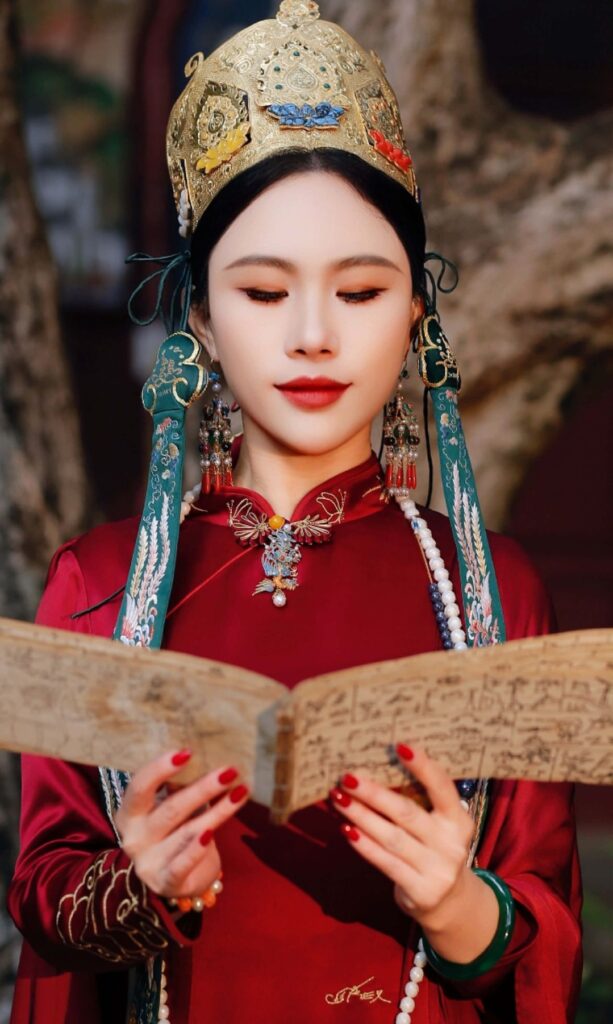
In terms of writing, Dongba hieroglyphs are hailed as “living fossils of human writing”, recording creation myths, ritual procedures, and ethical norms through vivid and concrete symbols, and are still used in rituals and inheritance to this day.
In terms of art, Dongba paintings can be drawn on linen, stone tablets, and wooden boards. The Dongba wise ones outline the images of gods, ghosts, living beings, and the universe in “a single stroke”, with a naive and simple style that contains profound philosophical thoughts. Dongba dances and chants are spiritual expressions that communicate with heaven and earth during rituals.
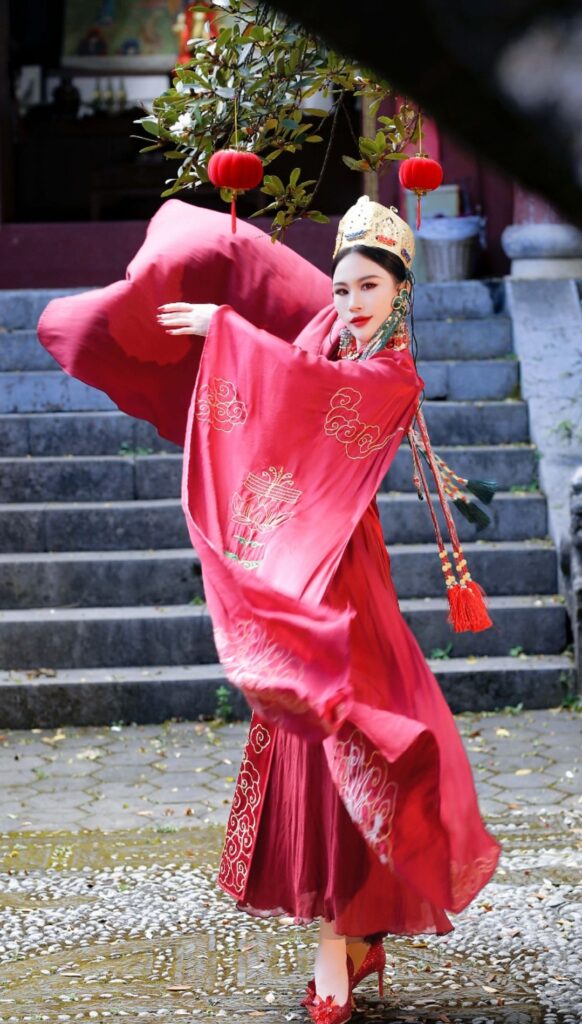
In terms of ritual, from heaven worship, nature deity worship, ancestor worship to soul salvation, blessing, and disaster dispelling, every ritual follows strict procedures, embodying the spirit of contract and the way of harmony between humans and nature. In terms of ethics, it emphasizes reverence for nature, adherence to integrity, and gratitude in return, shaping the unique code of conduct and life wisdom of the Naxi people.
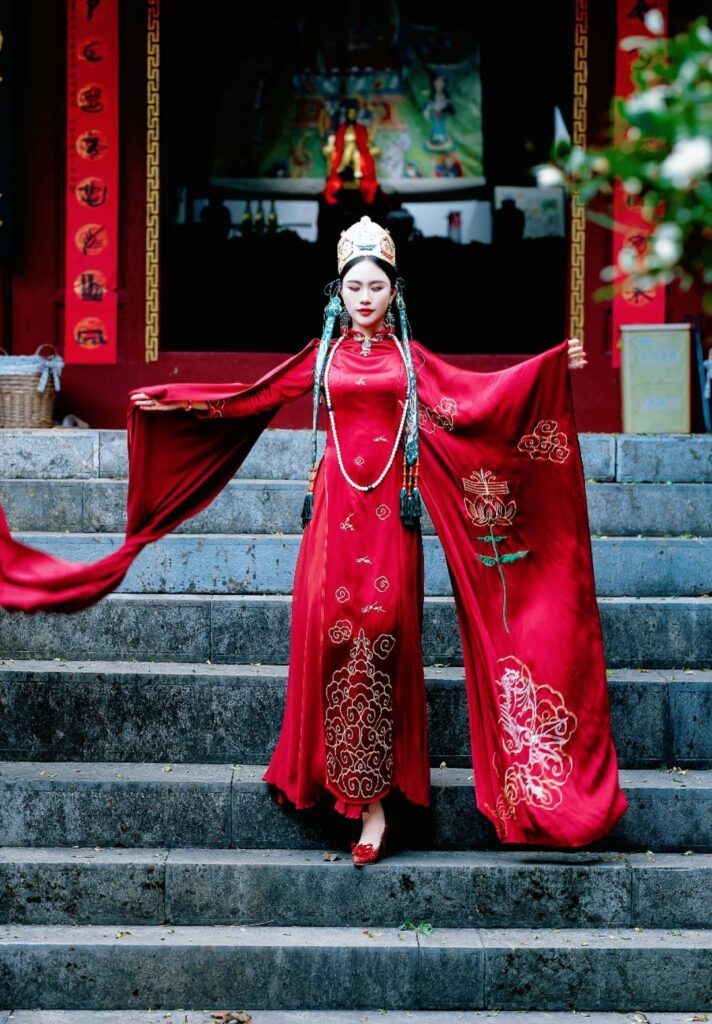
The inheritance system of Dongba Culture is particularly special, with Dongba priests as the core inheritors, following the ancient rule of “hereditary succession plus divine selection”. A Dongba must be proficient in scriptures, writing, painting, medicine, dancing, divination, and ritual hosting, serving as both the wise ones and spiritual leaders of Naxi society. As the only Han female inheritor who broke the ancestral rule of “transmitting only within the clan and only to males”, I have personally experienced the sacredness and inclusiveness of this culture, and deeply understand the heavy responsibility of inheriting this civilization. I regard it as my lifelong unswerving mission to help this endangered human heritage shine brightly on the global stage of diverse cultures.
Dongba Culture is, in fact, a universal culture. The ways of human existence, all things in the world, numerous phenomena in life, local customs, and folk traditions—all can find their origins, sources, and interpretations in the ancient Dongba classics. All things are “transformed forms”, and from them, we can understand the profound meanings behind these forms and comprehend the great wisdom embedded within them.
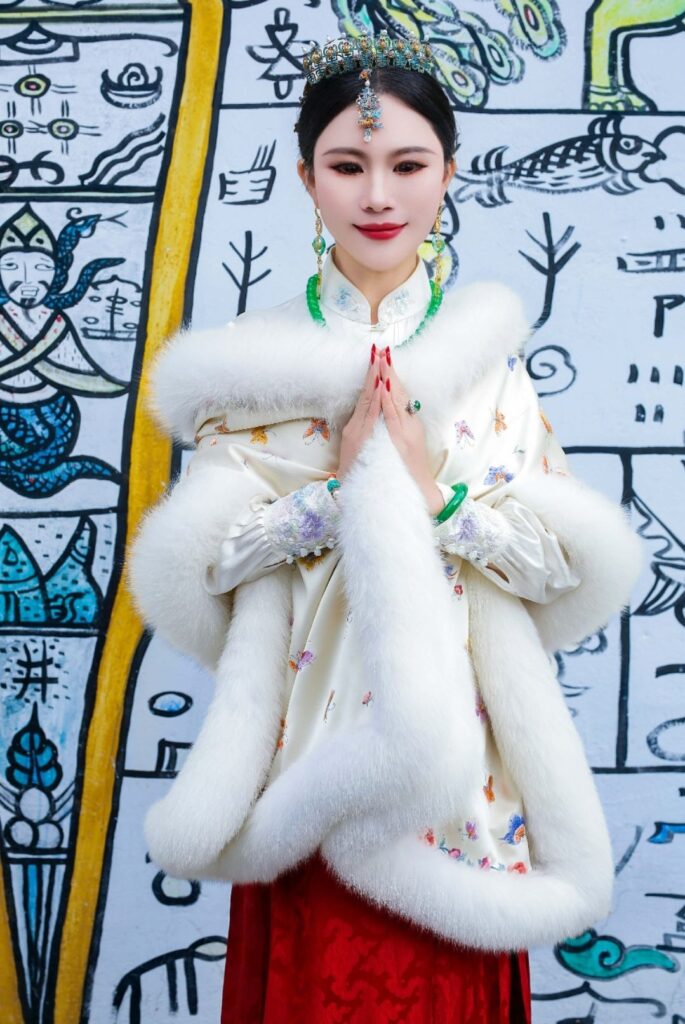
Today, Dongba Culture is still embracing a new lease of life. The China Yulong Wenbi Dongba Culture Academy (a non-profit organization) founded by me is promoting this wisdom that emphasizes ecological harmony and spiritual awakening to the world through initiatives such as public welfare inheritance, ancient scripture translation, original interpretation, and international exchanges. It reminds modern people that respecting nature, abiding by contracts, revering life, and loving oneself and others are timeless universal values, as well as the precious enlightenment that Dongba Culture has bequeathed to humanity.
(In the days to come, I will continue to share the universal wisdom of Dongba Culture with Greek readers through this column.)