













Επιμέλεια: Eva Lianou Petropoulou
تحليل استراتيجي لمستقبل الشرق الأوسط ، بين التوتر المتصاعد وإعادة تشكيل النظام الإقليمي ، ان ما أقوله هو تحليل مبني على ما اراه وأستنتجه لحين لحظته ، وهو السيناريو الثاني .
يشهد الشرق الأوسط في هذه المرحلة واحدة من أدقّ مراحله التاريخية، حيث لم يعد الصراع محصورًا في مواجهة تقليدية بين أطراف واضحة، بل تحوّل إلى شبكة معقدة من التوترات المتداخلة التي تعكس صراعًا عميقًا على النفوذ وإعادة رسم ملامح المنطقة. ومن خلال قراءة متأنية للوقائع الحالية، يمكن القول إن ما يجري اليوم ليس مجرد تصعيد عابر، بل هو مرحلة انتقالية تمهّد لنظام إقليمي جديد.
في الظاهر، تبدو المنطقة وكأنها على حافة حرب شاملة، إلا أن الحقيقة أكثر تعقيدًا. نحن أمام نموذج “حرب غير معلنة”، تتجلى في ضربات محدودة، رسائل عسكرية محسوبة، وتحركات استراتيجية مدروسة بعناية. هذا النوع من الصراع يعكس إدراك جميع الأطراف بأن الحرب الكبرى ستكون مكلفة إلى حد يصعب تحمّله، ما يدفعها إلى اعتماد سياسة الاستنزاف بدل الحسم.
إن أبرز ما يميز الوضع الحالي هو غياب القوة المهيمنة بشكل مطلق. فالتراجع النسبي في نفوذ بعض القوى التقليدية، مقابل صعود أدوار أخرى، خلق فراغًا استراتيجيًا واضحًا. هذا الفراغ لم يبقَ دون تنافس، بل تحوّل إلى ساحة صراع مفتوحة تتقاطع فيها مشاريع متعددة، لكل منها رؤيته الخاصة لمستقبل المنطقة ( الخليج العربي ، الخليج الفارسي، الأزرق , أمريكا ). ومن هنا، لم يعد الصراع صراع حدود ، بل صراع على شكل النظام الإقليمي نفسه.
كما أن تعدد الجبهات يضيف بعدًا خطيرًا إلى المشهد. فالتوتر لا يقتصر على نقطة واحدة ، بل يمتد عبر عدة ساحات مترابطة ، ما يجعل أي تصعيد في جبهة معينة قابلًا للانتقال بسرعة إلى جبهات أخرى. وهذا ما يرفع من مستوى المخاطر ، ويجعل من الصعب احتواء أي انفجار محتمل .
اقتصاديًا ، تبدو المنطقة متماسكة نسبيًا ، لكن هذا التماسك هشّ بطبيعته . فالعوامل الجيوسياسية ، وعلى رأسها أمن الممرات البحرية وأسواق الطاقة ، قادرة على إحداث صدمات مفاجئة قد تتجاوز تأثيرها حدود المنطقة إلى الاقتصاد العالمي بأسره. ومن هنا، فإن الاستقرار الاقتصادي الحالي لا يعكس بالضرورة استقرارًا حقيقيًا ، بل حالة مؤقتة مرتبطة بتوازنات دقيقة.
أما على المستوى الاستراتيجي، فإن الصراع الدائر اليوم يمكن فهمه على أنه مواجهة بين مشاريع كبرى وهنا أقصد (الازرق الكبير)، وليس مجرد خلافات مرحلية. كل طرف يسعى إلى تثبيت موقعه ضمن النظام القادم، وليس فقط تحقيق مكاسب آنية. وهذا ما يفسّر غياب الحسم ، واستمرار الصراع بوتيرة مدروسة.
وبناءً على هذه المعطيات، فإن السيناريو الثاني الأكثر ترجيحًا في المدى القريب يتمثل في استمرار حالة التصعيد المنضبط ، دون الانزلاق إلى حرب شاملة. إلا أن هذا لا يلغي احتمال حدوث تحولات مفاجئة ، خصوصًا في حال وقوع أحداث غير محسوبة قد تفرض واقعًا جديدًا على الجميع.
في المدى المتوسط، من المتوقع أن نشهد إعادة ترتيب للتحالفات ، وصعود قوى جديدة ، مقابل تراجع أدوار أخرى . أما في المدى البعيد ، فإن الشرق الأوسط مقبل على مرحلة مختلفة كليًا ، حيث لن تعود موازين القوى كما كانت ، بل سيتم تشكيل نظام إقليمي جديد قائم على توازنات أكثر تعقيدًا وتشابكًا.
الخلاصة، ما يحدث اليوم ليس نهاية صراع ، بل بداية مرحلة جديدة منه . مرحلة عنوانها إعادة تشكيل النفوذ ، وتحديد ملامح المستقبل . ومن يدرك طبيعة هذه المرحلة ، يستطيع أن يفهم ليس فقط ما يجري الآن ، بل
ما سيأتي لاحقًا.
الخلاصة:
الشرق الأوسط يعيش مرحلة انتقالية خطيرة بين نظام قديم يتفكك ونظام جديد لم يتشكل بعد.
التصعيد الحالي ليس حربًا شاملة ، فكما اخبرتكم نحن حتى الآن لم ندخل الحرب الإقليمية ، بل هي إعادة توزيع للقوة عبر صراعات متعددة منخفضة الشدة ، لكن عالية التأثير.
المستقبل القريب سيشهد استمرار التوتر ، بينما المستقبل البعيد سيعيد رسم خريطة النفوذ في المنطقة بالكامل.
تحليلي خلال ال ٦ أشهر القادمة هي كالتالي:
*استمرار التصعيد العسكري المحدود
*ضغط اقتصادي عالمي (نفط + غذاء)
*بقاء لبنان وسوريا مناطق توتر في حالة حرب وتوتر
*إعادة رسم النفوذ في المنطقة
*صعود تحالفات جديدة
*تراجع دور بعض القوى التقليدية
*الشرق الأوسط لن يعود كما كان
*نظام إقليمي جديد سيتشكل
*القوة ستنتقل إلى تحالفات وليس دول منفردة
*تقسيم دول وتفكيكها وضمها لأجزاء
*تفعيل اتفاقيات إلزامية للسلام مع الأزرق
*اتفاقيات جديدة ستكون في سوريا ولبنان
ملاحظة : ان هذا السيناريو الثاني والمرجح ، أما من اراد فهم اللعبة كاملة عليه بالعودة للوراء ، فاللعبة لا تجري بشكل علني او سياسة او دولية ، اللعبة كمن دخل جحر الأرنب معتقدا انه صغير ولكن من دخله يرى المتاهات ويضيع ولا يعرف كيفية الخروج ، ان ما يقترب هو بداية النهاية ، وعهد سأكتبه
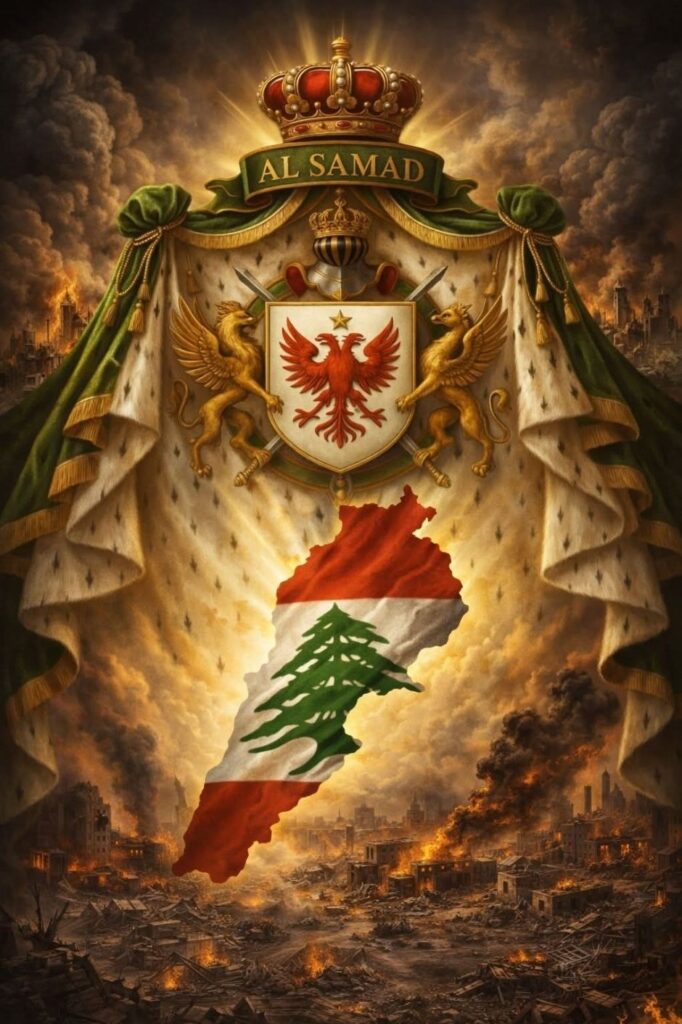
A strategic analysis of the future of the Middle East, between escalating tensions and the reshaping of the regional order. What I am presenting is an analysis based on my current observations and conclusions, which constitute the second scenario.
The Middle East is currently witnessing one of its most critical historical phases. The conflict is no longer confined to a traditional confrontation between clearly defined parties, but has transformed into a complex web of intertwined tensions reflecting a deep struggle for influence and a redrawing of the region’s map. A careful reading of current events suggests that what is happening today is not merely a passing escalation, but a transitional phase paving the way for a new regional order.
On the surface, the region appears to be on the brink of all-out war, but the reality is far more complex. We are facing a model of “undeclared war,” manifested in limited strikes, calculated military messages, and carefully considered strategic maneuvers. This type of conflict reflects the understanding among all parties that a major war would be prohibitively costly, leading them to adopt a policy of attrition rather than decisive action.
The most prominent feature of the current situation is the absence of an absolute dominant power. The relative decline in the influence of some traditional powers, coupled with the rise of others, has created a clear strategic vacuum. This vacuum has not remained devoid of competition; rather, it has transformed into an open arena of conflict where multiple projects intersect, each with its own vision for the region’s future (the Arabian Gulf, the Persian Gulf, the Blue Gulf, and the United States). Thus, the conflict is no longer merely a border dispute, but a struggle over the very structure of the regional order.
Furthermore, the multiplicity of fronts adds a dangerous dimension to the situation. Tension is not confined to a single point but extends across several interconnected fronts, making any escalation on one front liable to quickly spread to others. This raises the level of risk and makes it difficult to contain any potential explosion.
Economically, the region appears relatively cohesive, but this cohesion is inherently fragile. Geopolitical factors, particularly the security of maritime routes and energy markets, are capable of triggering sudden shocks whose impact could extend beyond the region to the entire global economy. Therefore, the current economic stability does not necessarily reflect genuine stability, but rather a temporary state dependent on delicate balances. On a strategic level, the current conflict can be understood as a confrontation between major projects—and here I mean the “Greater Blue”—and not merely a series of temporary disagreements. Each side seeks to solidify its position within the emerging order, not just achieve immediate gains. This explains the lack of a decisive outcome and the continuation of the conflict at a calculated pace.
Based on these factors, the second most likely scenario in the near term is the continuation of a controlled escalation, without sliding into a full-blown war. However, this does not preclude the possibility of sudden shifts, especially if unforeseen events occur that could impose a new reality on everyone.
In the medium term, we can expect to witness a realignment of alliances and the rise of new powers, alongside the decline of others. In the long term, the Middle East is entering a completely different phase, where the balance of power will not return to its previous state. Instead, a new regional order will be formed, based on more complex and intertwined balances.
In conclusion, what is happening today is not the end of a conflict, but rather the beginning of a new phase. This is a phase characterized by the reshaping of influence and the defining of the future. Those who understand the nature of this phase can grasp not only what is happening now, but also what is yet to come.
In conclusion: The Middle East is experiencing a dangerous transitional phase between an old order that is disintegrating and a new order that has yet to take shape.
The current escalation is not a full-scale war. As I mentioned, we have not yet entered a regional war. Rather, it is a redistribution of power through multiple low-intensity, but high-impact conflicts.
The near future will witness continued tension, while the distant future will completely redraw the map of influence in the region. My analysis for the next six months is as follows:
*Continued limited military escalation
*Global economic pressure (oil + food)
*Lebanon and Syria will remain areas of tension, in a state of war and conflict
*Redrawing of influence in the region
*Rise of new alliances
*Declining role of some traditional powers
*The Middle East will never be the same again
*A new regional order will take shape
*Power will shift to alliances, not individual states
*Division, fragmentation, and annexation of countries
*Activation of binding peace agreements with the Blue Nile
*New agreements will be reached in Syria and Lebanon
Note: This is the second and more likely scenario. Anyone who wants to understand the whole game should look back. The game isn’t being played openly, politically, or internationally. It’s like someone entering a rabbit hole thinking it’s small, but once inside, they see the labyrinth and get lost, not knowing how to get out. What’s approaching is the beginning of the end, and I will write a promise to that effect.
S.A.R HRH Prince Ahmad Ali Al Samad
Imperial Royal House Al Samad
#nobility #prince_ahmad_ali_al_samad #imperial_royal_house_al_samad #سمو_الأمير_أحمد_علي_الصمد #prince #RoyalHouse #facebook #instagram #tiktok #x #throne #royal #AlQaim #PrinceAhmadAliAlSamad #lebanon